
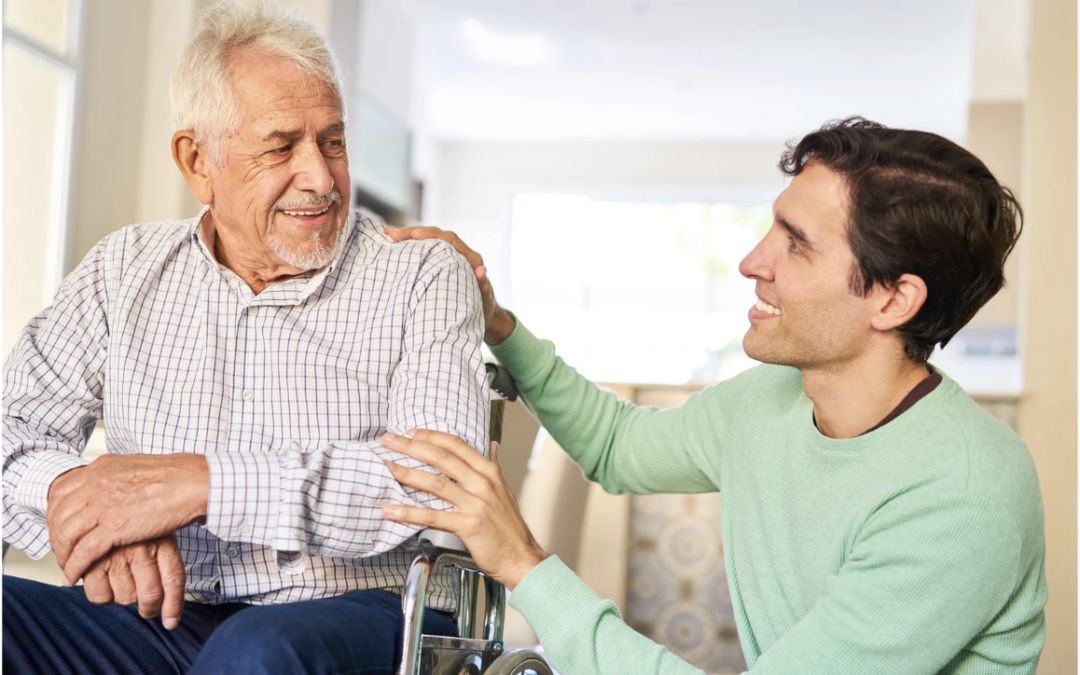
Recovery after surgery is often anticipated as a positive step forward—the moment a senior can leave the hospital and return to the comfort of home. However, for many individuals and their families, this transition can feel more overwhelming than expected. After receiving around-the-clock care in a hospital setting, the sudden shift to managing recovery at home can bring uncertainty and added responsibility.
Healing does not end at discharge. In many ways, it is just beginning. It can be challenging to adjust from having continuous professional support to navigating medications, mobility, and daily routines independently. During this delicate time, in home care can play an essential role—not only by providing practical assistance, but also by offering reassurance and meaningful companionship. Seniors Helping Seniors® in-home care services serves as a trusted, compassionate partner, helping to make this transition smoother and more supported.
Why the Transition Home Matters So Much
The period immediately following surgery is critical to a successful recovery. While being home offers comfort and familiarity, it can also present challenges that require careful attention. Many older adults experience limited mobility, making everyday tasks such as getting dressed, preparing meals, or moving safely around the home more difficult. Medication management can be complex, especially when multiple prescriptions and schedules are involved. There is also an increased risk of falls or post-surgical complications, particularly as strength and balance are still improving. Fatigue and emotional fluctuations are common, adding another layer to the recovery experience.
Gaps in care during this time can impact recovery outcomes. Nationally, nearly 1 in 5 Medicare patients is readmitted to the hospital within 30 days of discharge, often due to preventable issues such as medication mismanagement or lack of support at home. Consistent, familiar assistance can help reduce these risks significantly.
Having a compassionate caregiver present provides more than hands-on help—it offers an added layer of awareness. Subtle changes, such as decreased appetite, increased discomfort, or signs of confusion, can be noticed early and addressed before they develop into more serious concerns. This proactive support helps keep recovery on track and reduces unnecessary stress for everyone involved.
The Emotional Side of Healing
Recovery is not only physical—it is deeply emotional as well. Many seniors experience a range of feelings that can influence their overall well-being. There may be frustration with temporary limitations, particularly for those who are used to living independently. Tasks that were once simple may now require assistance, which can be discouraging. Feelings of loneliness or isolation may arise, especially if normal routines and social interactions are disrupted. Additionally, there can be anxiety about regaining independence and uncertainty about how long recovery will take. Companionship plays a meaningful role during this time. One of the distinguishing aspects of a Seniors Helping Seniors® caregiver is their heart and passion for care. This shared life experience fosters a natural sense of understanding and empathy.
Often, it is the simple moments that matter most—a conversation, a shared laugh, or the quiet presence of someone who understands. Encouragement and companionship can help lift spirits, reduce feelings of isolation, and promote a more positive outlook. Emotional well-being is closely connected to physical healing, and feeling supported can help individuals stay engaged and motivated throughout their recovery journey.
Peace of Mind for Family Members
For family members, particularly adult children, the transition from hospital to home can also bring significant concern. Balancing caregiving responsibilities with work, family, and other commitments can be challenging. There is often worry about whether medications are being taken correctly, whether meals are being prepared, and whether a loved one is safe moving throughout the home. Even with the best intentions, it can feel difficult to provide constant support from a distance. In-home care offers reassurance during this time. The presence of a caregiver helps ensure that daily needs are met, and that recovery is progressing safely. It also provides families with valuable updates and communication, helping them stay informed and connected.
Equally important, this support helps reduce caregiver burnout. Family members can step back from constant oversight and return to their role as loved ones—focusing on quality time and emotional connection rather than ongoing stress. A Seniors Helping Seniors® caregiver becomes an extension of the family, offering care that is both professional and genuinely compassionate.
A Smoother, More Supported Path to Recovery
Recovery after surgery is rarely a straightforward process, but it becomes far more manageable with the right support system in place. Home can be an ideal setting for healing, offering comfort, familiarity, and a sense of independence—especially when paired with thoughtful, compassionate care.
No one has to navigate recovery alone. With the presence of a caring companion, individuals can feel more confident, supported, and at ease as they regain their strength. Seniors Helping Seniors® in-home care services is honored to walk alongside older adults and their families during this important time. For those preparing for surgery or returning home afterward, exploring in-home care options can be a meaningful step toward a safer, smoother, and more reassuring recovery experience.